

Loading cart contents...
How to Care for a Titanium Watch: Cleaning, Scratches and Daily Wear
Titanium is valued in watchmaking for its low weight, strength and understated grey tone. It is also a material that develops visible signs of use. A mark on a titanium case does not necessarily mean that the metal is damaged in a structural sense, but it can change the way light falls across the finish.
Good care begins with understanding the difference between cleaning a watch and restoring its surface. The first is usually straightforward. The second calls for considerably more caution.
Why titanium watches need a considered approach
Titanium is lighter than steel by volume and has good corrosion resistance in ordinary conditions. Those advantages do not make a watch immune to scratches, scuffs or deposits left by daily wear. Keys, desk edges, dust and the repeated contact of a cuff can all affect the appearance of a case over time.
The alloy matters, but it is not the only factor. Case geometry, the direction of brushing, any surface treatment and the type of contact determine how noticeable a mark becomes. A scratch that stands out on a polished edge may be less obvious on a textured surface; the reverse can also happen.
For more on the differences between titanium grades and steel, read our guide to titanium watches.
Routine cleaning: begin with the least aggressive method
For ordinary fingerprints and light dust, use a clean, soft microfibre cloth. Wipe gently rather than rubbing hard in one spot. A dry cloth is often enough for the case and crystal.
If dirt remains around the bezel or between the lugs, check the manufacturer’s care instructions and the watch’s water-resistance condition before introducing moisture. A water-resistance rating is not a permanent guarantee: seals age, and a watch that has been opened or damaged may need testing.
When the manufacturer permits it, a slightly damp soft cloth can help lift surface dirt. Dry the case afterwards, especially around joints and the strap attachment. Avoid directing water into the crown area or operating the crown while the watch is wet.
What to avoid
Abrasive sponges, metal polishing compounds and aggressive household cleaners are poor choices for routine watch care. They may alter the factory finish, affect coatings or leave a surface that no longer matches adjacent parts. Even products marketed as suitable for metal are not necessarily suitable for a finished watch case.

Scratches and scuffs: when to leave them alone
A small mark on the case is usually a cosmetic concern. Trying to erase it at home can produce a larger, more visible patch. This is especially true of directional brushing: working against the grain changes the pattern, and reproducing the original direction and texture consistently is difficult without the right equipment.
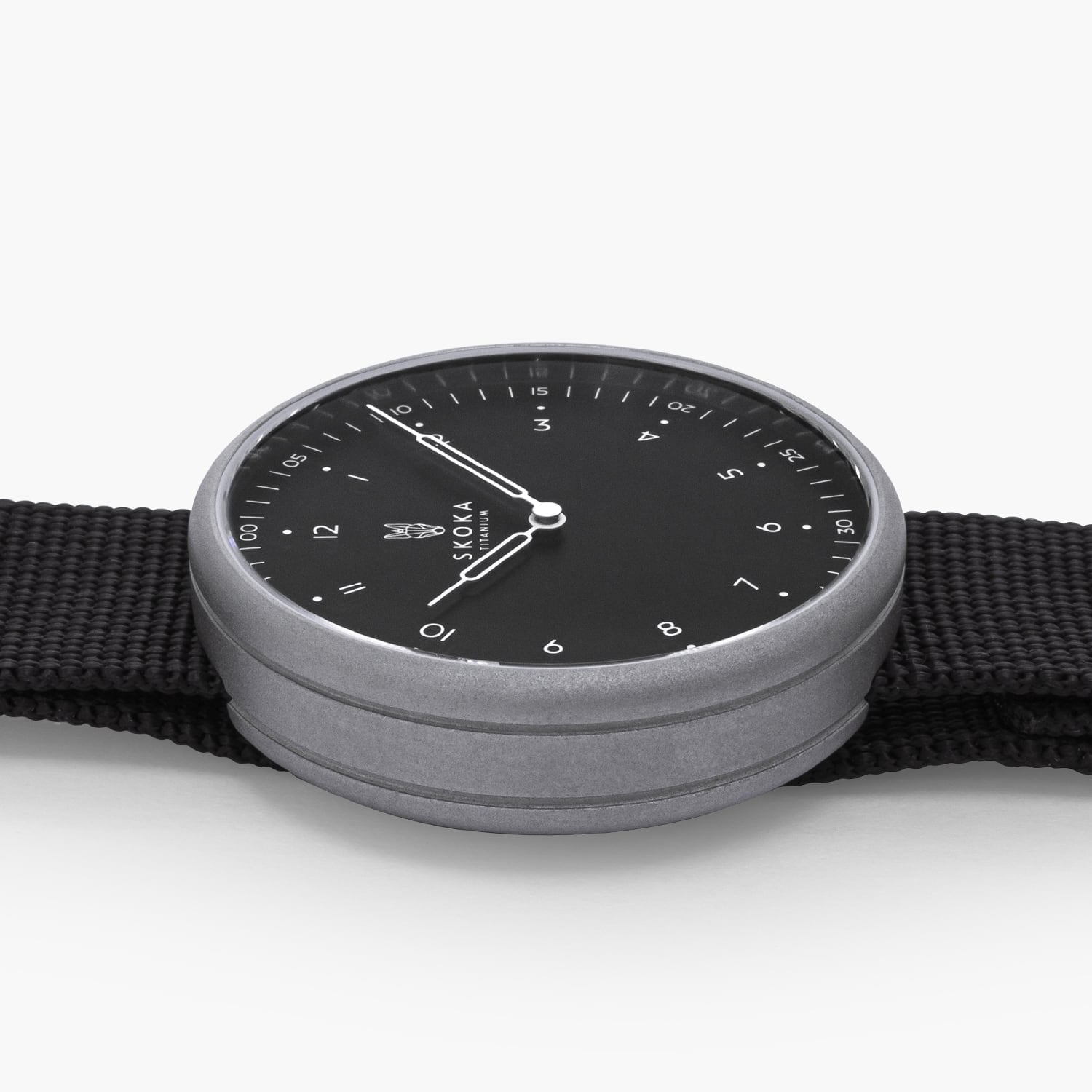
A sanded or matte surface presents a different challenge. Local treatment may make one area brighter or smoother than the rest of the case. Polished edges, brushed sides and matte planes should not be treated as though they have the same finish.
For noticeable damage, ask the manufacturer or a watchmaker familiar with the specific case and surface treatment whether refinishing is appropriate. Some marks are better accepted as part of normal wear than removed at the expense of the original geometry.
Keep the strap and case clean separately
Much of the residue that collects on a watch comes from the wrist rather than the surrounding environment. Sweat, skin oils and dust can build up where the strap meets the case.
Cleaning instructions depend on the strap material. A soft, dry cloth is a safe starting point for many surfaces, but leather should not be soaked, and rubber, textile and metal bracelets have different care requirements. Follow the strap maker’s guidance rather than treating the entire watch as one washable object.
Everyday habits that make a difference
Store the watch where the case and crystal will not rub against other hard objects. A separate compartment or soft pouch is preferable to placing several watches together in a drawer. When travelling, secure the watch so it cannot move against chargers, keys or other accessories.
After exposure to sweat, wipe the case and the strap with an appropriate cloth. If the watch has been exposed to salt water, follow the manufacturer’s cleaning instructions promptly; do not assume that every watch can be rinsed or submerged.
Check the crown before wearing the watch around water, and have water resistance tested when the manufacturer recommends it, especially after a battery change, service or impact. A titanium case does not change the limits of the seals and movement inside it.
Brushed, satin and sanded finishes age differently
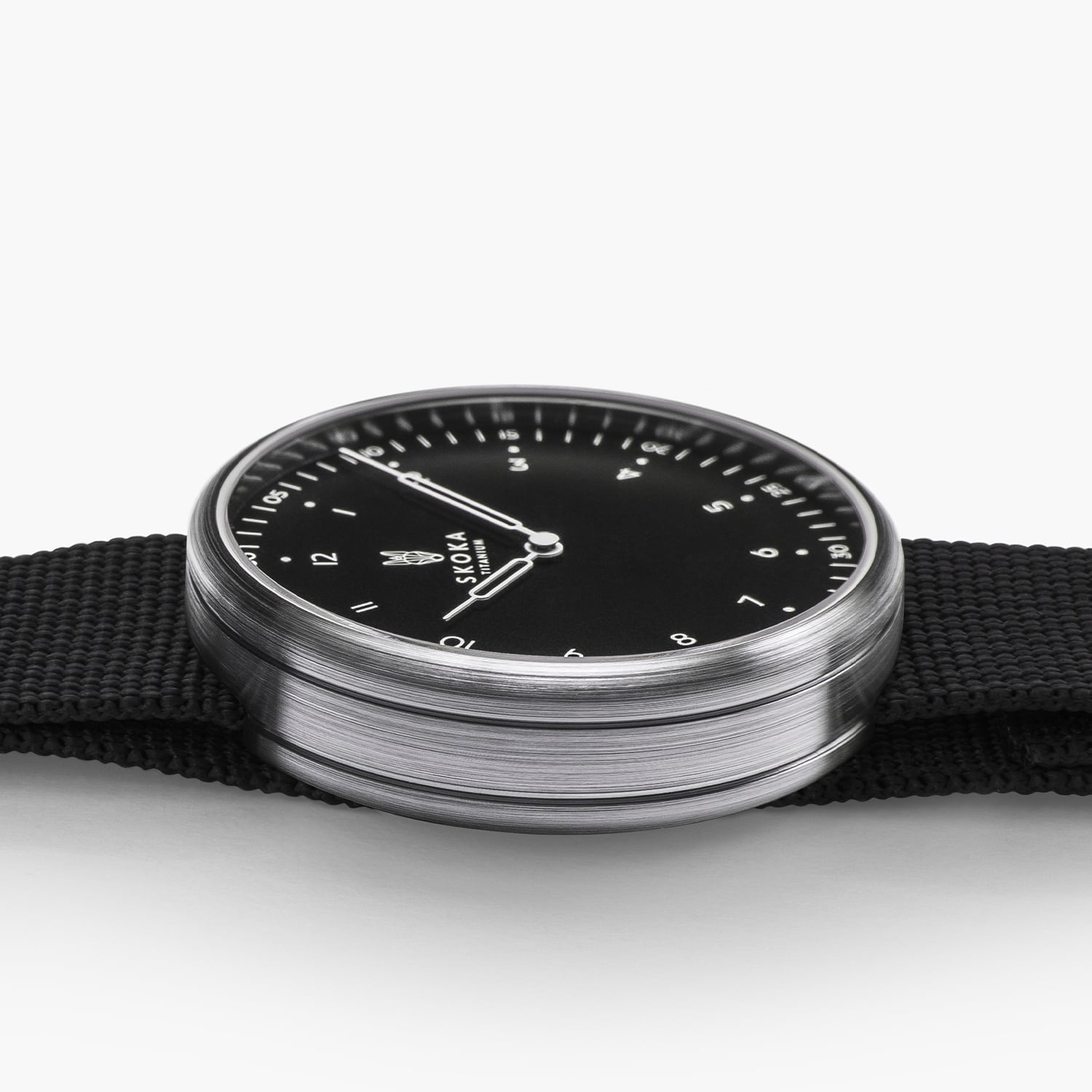
Brushed titanium has directional lines that can make the case geometry particularly clear. Satin finishes diffuse reflections more softly, while sanded textures create a relatively even matte appearance. None is universally the most durable: their appearance after months of use depends on the surface treatment and how the watch is worn.
It is worth looking at a watch from several angles before choosing a finish. The same case can feel more technical, more understated or more expressive depending on how its surfaces catch light.
Caring for SKOKA Ti-01
The SKOKA Ti-01 uses a Grade 5 titanium case. Its restrained design places particular emphasis on material, proportions and surface finishing. That makes gentle maintenance preferable to improvised polishing: preserving the original texture is part of preserving the design.
If you are comparing watches for regular use, our article on choosing an everyday watch also covers fit, legibility and materials. A watch that suits your routine is easier to look after consistently.
Frequently asked questions
Does Grade 5 titanium scratch?
Yes. Grade 5 titanium is a strong alloy, but a finished watch case can still acquire cosmetic scratches and scuffs. Mechanical strength should not be confused with immunity to surface marks.
Can I polish a brushed titanium watch at home?
It is not advisable without guidance specific to the watch. Polishing can remove or change the original brushed pattern and soften case edges.
Can I wash a titanium watch under a tap?
Only if the manufacturer’s instructions and the watch’s current water-resistance condition permit it. The case material alone does not determine whether water exposure is safe.